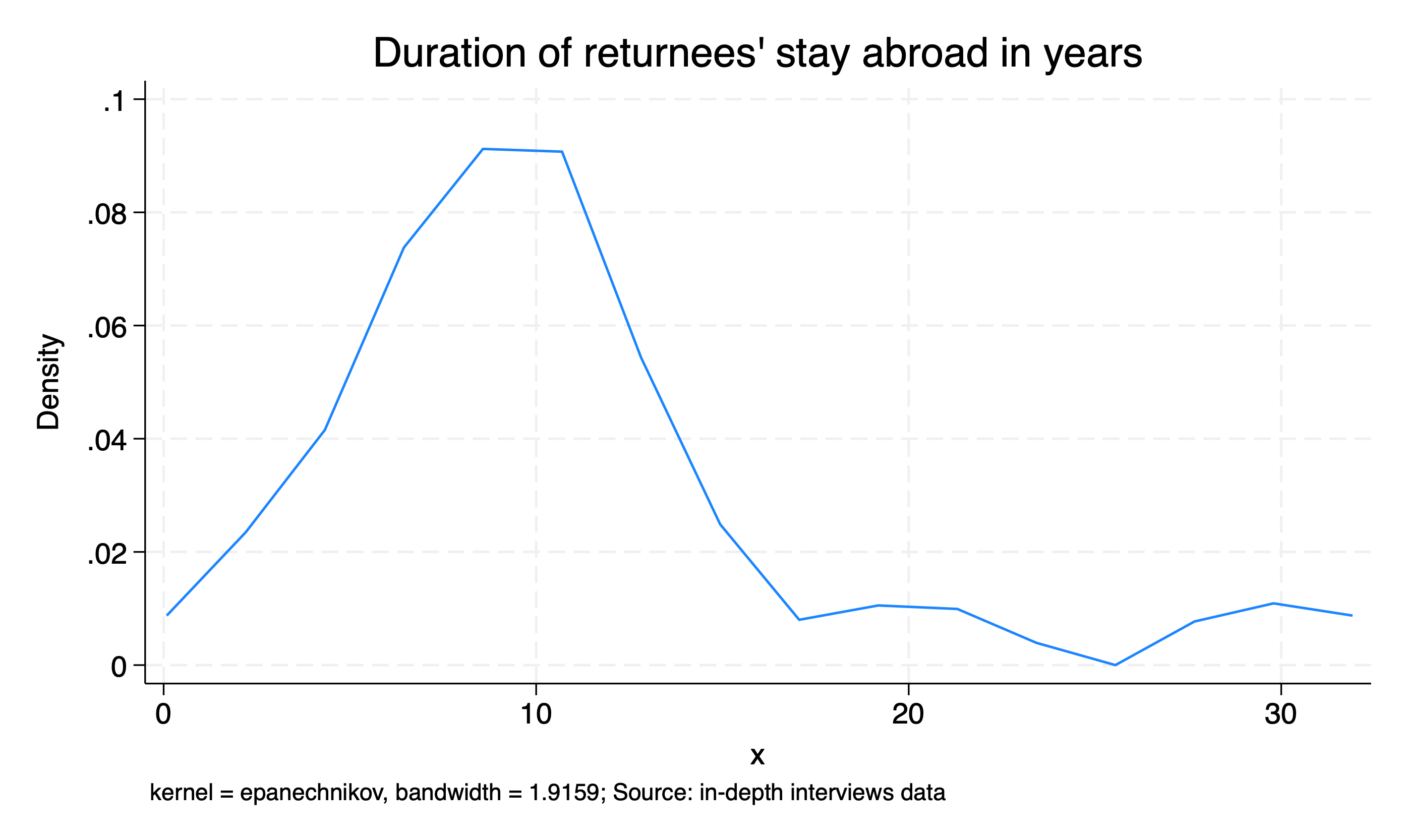
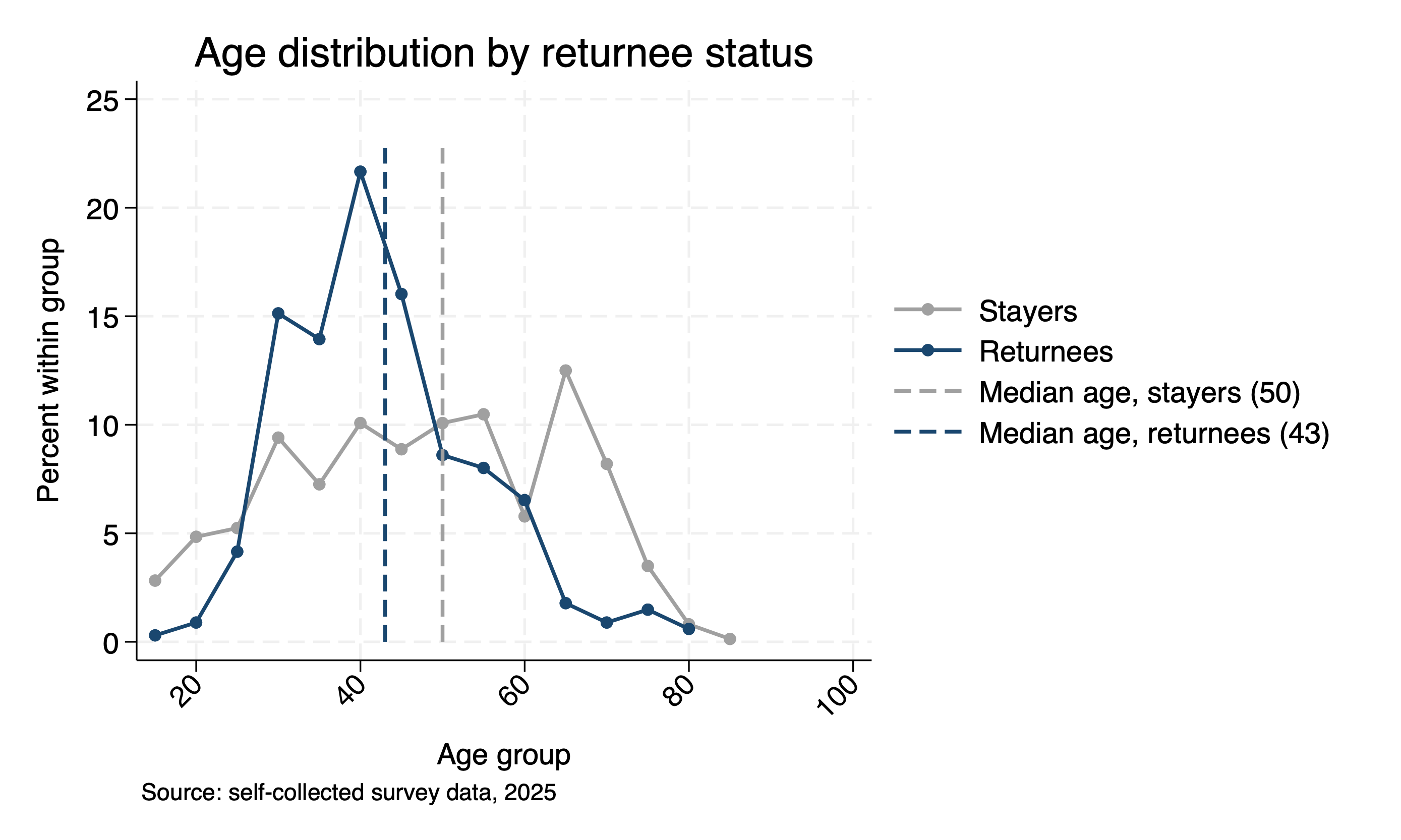
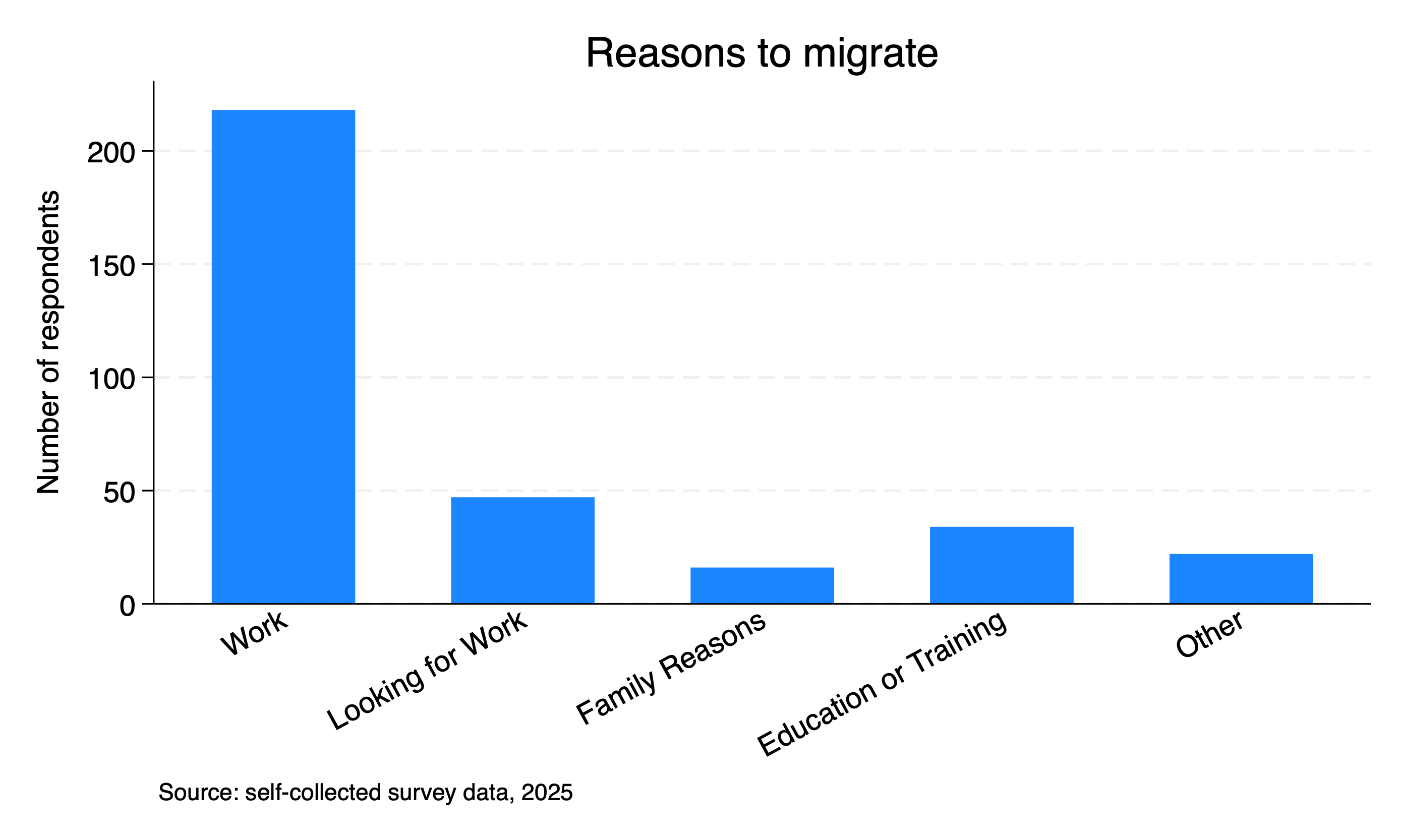
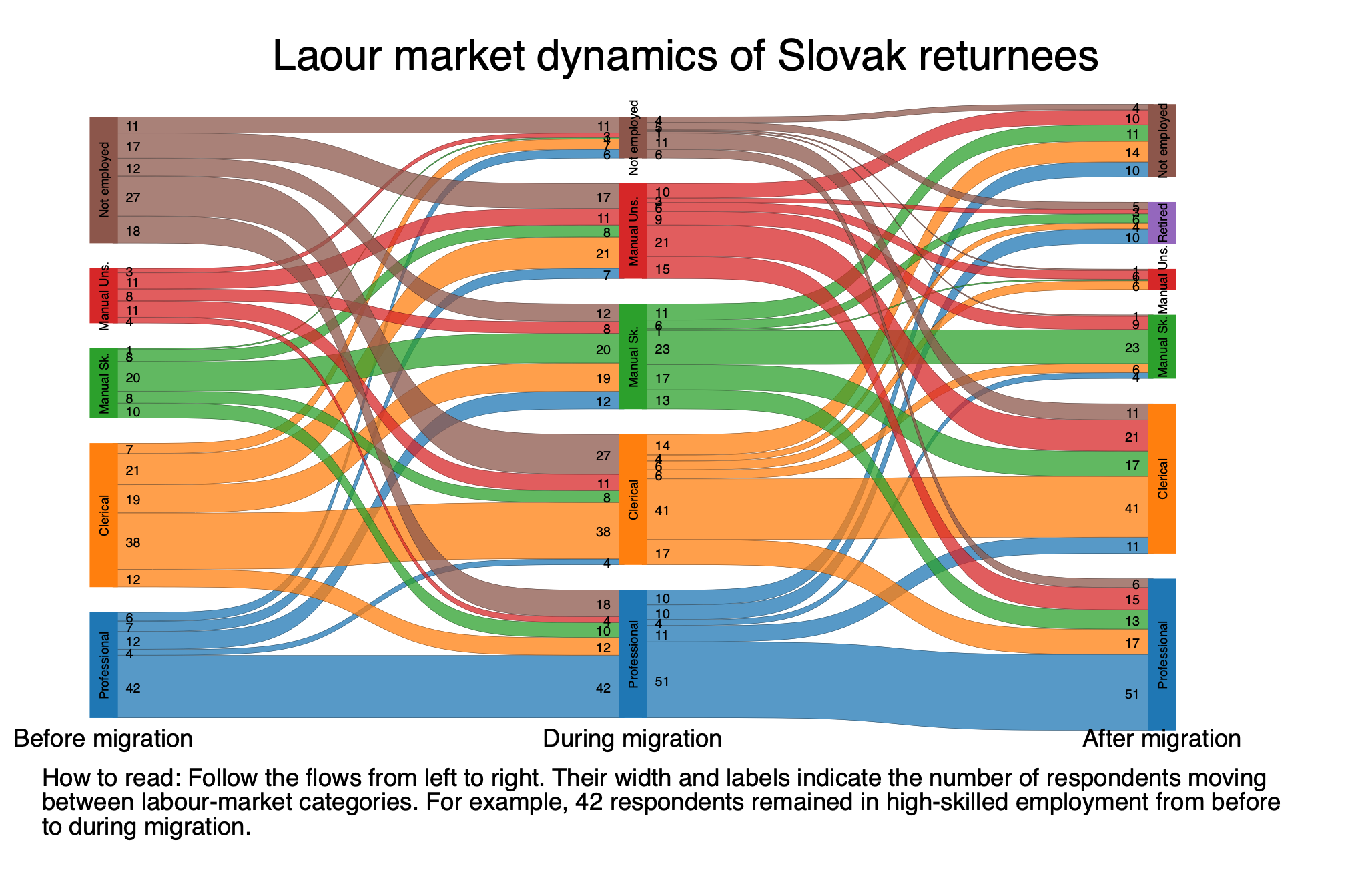
Within the project Analysis of Socio-Economic Profile Transformation of Slovak Emigrants in the EU Countries, researchers Prof. Anetta Čaplánová, PhD, and Valeriia Oksinenko, PhD, from the Faculty of Economics at the Bratislava University of Economics and Business examined why Slovaks leave the country and what motivates them to come back, how EU accession has affected migrant workers, and how they readjust after living abroad.
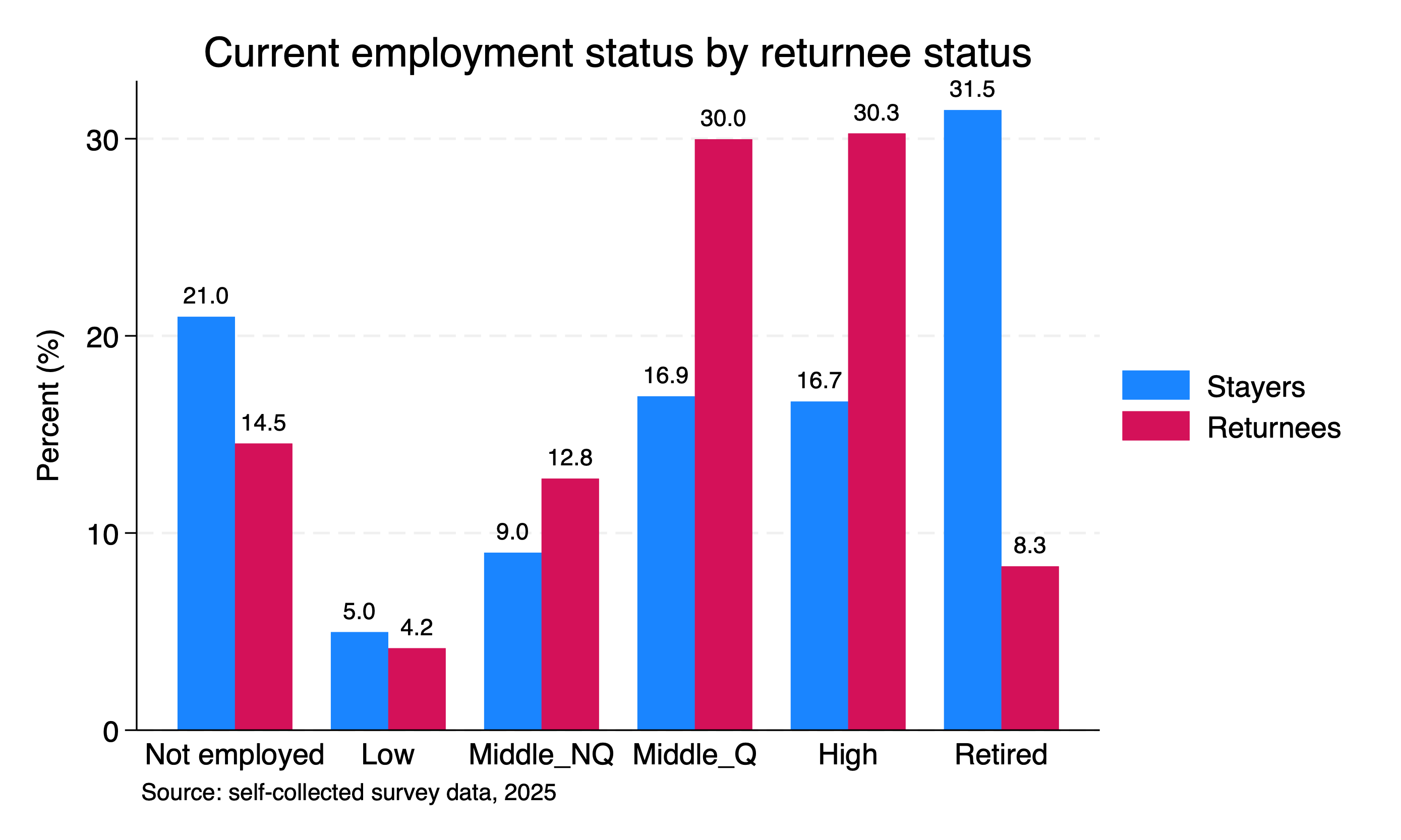
The study combined EU-SILC and EU-LFS microdata with original data collected in Slovakia in 2025 through a quantitative survey of 337 return migrants and 25 in-depth interviews with people who had lived abroad.
The results show that the removal of EU labour market restrictions (on the example of Austria) broadened access to employment, particularly for migrants with medium levels of education and those working in craft and related trades or elementary occupations. However, the jobs available to these groups were often concentrated in lower-skilled and lower-paid segments. Slovak cross-border workers experienced short-term improvements in their relative income position, but these gains diminished approximately two years after labour market liberalization.
Living and working abroad does not automatically lead to a stronger labour market position in Slovakia. More favourable occupational mobility during migration was associated with better employment trajectories after return, while foreign-language skills, professional experience, and international networks generated benefits only when they were transferable and recognized by Slovak employers.
Family relationships and close social ties emerged as the most consistent factors shaping migration trajectories and the decision to come home. Respondents often left for employment, education, or other economic reasons but were primarily drawn back by children, partners, parents, and other close relationships.
Interview participants also described administrative procedures, access to insurance and pension entitlements, and the placement of children in schools as important sources of post-return stress. The findings therefore point to the potential value of clearer information and advisory services for people resettling in Slovakia.
Overall, the research demonstrates that labour mobility creates new possibilities, but its effects depend on migrants’ occupations, skills, family circumstances, and the extent to which resources developed abroad can be used at home. It also highlights the limited capacity of the Slovak government to directly influence decisions to return, since these are mainly shaped by personal considerations. Nevertheless, public policy can help reduce emigration by expanding employment and educational prospects for young people and can ease reintegration by strengthening support for those who have already come back.
The research was prepared with the financial support of the “Fellowships for Excellent Researchers R2–R4” programme, project no. 09I03-03-V04-00501.