
Matej Horňák specializes in analyzing the macroeconomic development of the Slovak economy. He studied Economic Policy at the University of Economics in Bratislava. As a research assistant, he worked at the Industriewissenschaftliches Institut in Vienna and has been employed at Slovenská sporiteľňa since February 2020. The team of economic analysts at Slovenská sporiteľňa, of which he is a part, has been the most cited team in the Slovak market every year since 2022. Since 2018, he has also been involved in municipal politics as a member of the local council.
In this interview, we discussed his studies, professional journey, advice for current students, and the current challenges facing the Slovak economy.

The University of Economics in Bratislava (EUBA), in collaboration with the Slovak University of Technology (STU), is launching a new bachelor’s degree program in FinTech and Financial Innovations, designed to reflect current trends in the financial sector and technological advancements.
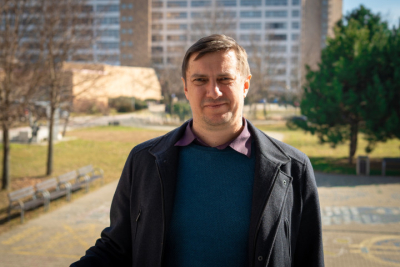
A recently published study, Life Satisfaction and Inequality in Slovakia: The Role of Income, Consumption, and Wealth, in the journal Social Indicators Research, examines how income, consumption, and wealth influence subjective perceptions of life satisfaction in Slovakia.
The study was conducted by Peter Tóth from the Faculty of National Economy and the National Bank of Slovakia, along with Biswajit Banerjee, also from the National Bank of Slovakia. The findings provide new insights into how different forms of economic inequality affect well-being.
We spoke with Peter Tóth about this topic.

Od svojho vzniku v roku 2016 ako študentská súťaž medzi dvoma maďarskými univerzitami sa Danube Cup rozrástol na uznávanú medzinárodnú sieť 11 univerzít z Rakúska, Nemecka, Maďarska, Srbska a Slovenska. Súťaž podporuje podnikanie medzi vysokoškolskými študentmi a poskytuje im príležitosť prezentovať svoje inovatívne nápady na medzinárodnej scéne.

The Faculty of Economics and Finance at the University of Economics in Bratislava is constantly trying to push the boundaries of international cooperation and offer its students access to the latest knowledge and experience from different corners of the world. One of the latest steps that will significantly enrich the study options is the conclusion of a double degree agreement with the SolBridge International School of Business at Woosong University in South Korea for the Finance, Banking and Insurance study programme. This double degree offers the opportunity to gain education and practical experience from a dynamic Asian environment, which can significantly influence students' future career options.

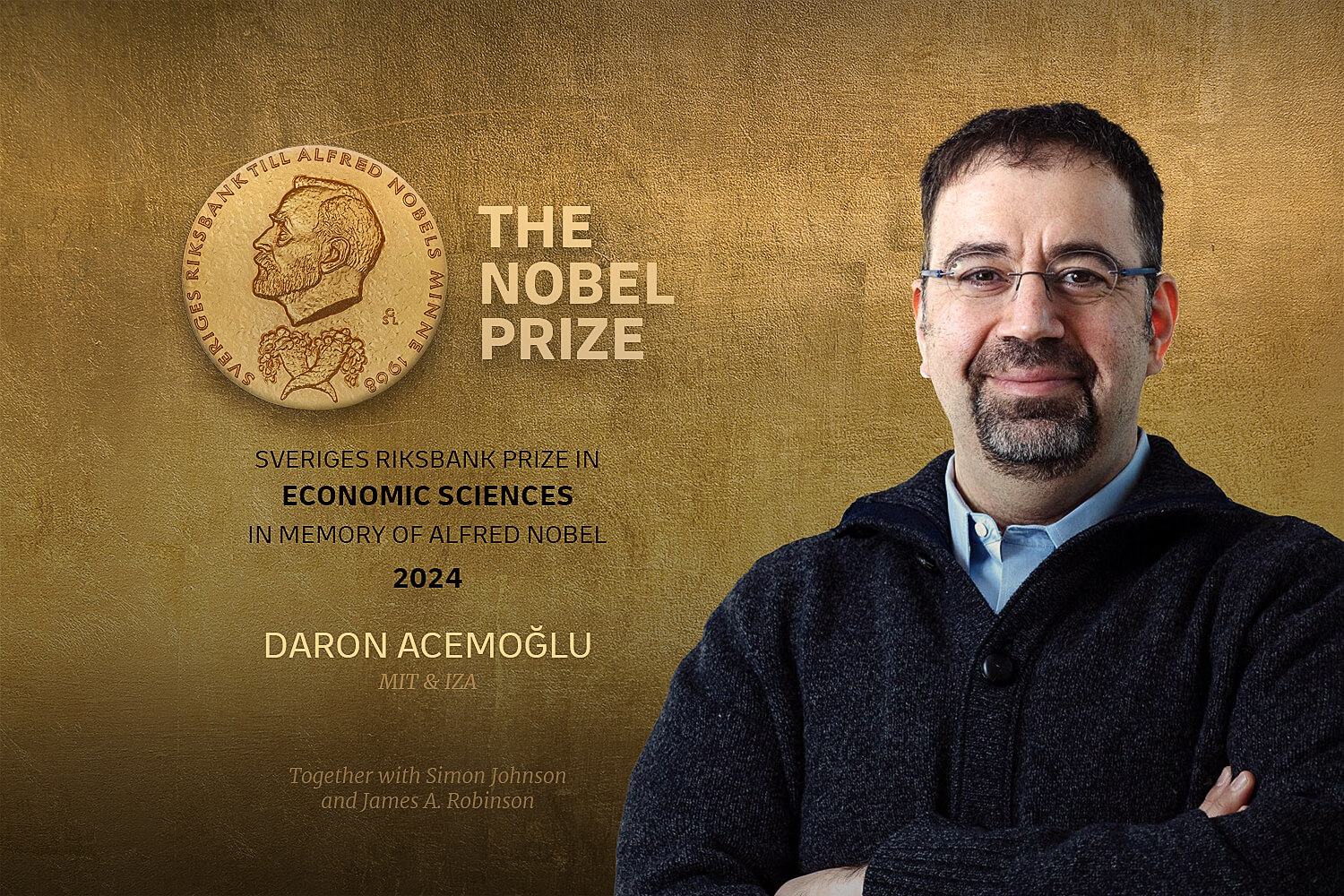
Professor Daron Acemoglu of the Massachusetts Institute of Technology (MIT) has been awarded the Nobel Prize in Economics for his research on the impact of institutions on prosperity.
In 2022, a team of researchers from the Department of Economic Policy at the Faculty of Economics and Finance of the University of Economics in Bratislava was one of the first research teams in the Slovak Republic to receive funding for a bilateral project entitled: "Implications of automation for the labour market in the United States and the European Union", within the MIT - Slovakia Seed Fund (MISTI Global funds for Slovakia) grant programme, which was established in 2019 by the Ministry of Investment, Regional Development and Informatisation of the Slovak Republic together with the Massachusetts Institute of Technology.
The project between NHF EUBA and MIT ran from 1st. May 2022 to 31st. January 2024. On the EUBA side it was led by doc. Martin Lábaj from the Faculty of Economics, and on the MIT side, the team of researchers and students was led by prof. Daron Acemoglu, today's Nobel Laureate in Economics.
"According to the RePec database, Daron Acemoglu is one of the top 3 most renowned economists in the world. The opportunity to work directly with him and his team on the project was an incredible success for us, a great challenge and at the same time an obligation to raise the level of research in our department to a new level," said Martin Lábaj, the project leader on the Slovak side.
In addition to Professor Acemoglu, Simon Johnson and James A. Robinson were also awarded the Nobel Prize. According to the Swedish Academy, this year's laureates in economics have demonstrated the importance of social institutions for a country's prosperity. Societies with a poor rule of law and institutions that exploit the population do not generate growth or change for the better. The research of the laureates helps us to understand why.
The Nobel Prize in Economics is not one of the original prizes established in 1895 in the will of Alfred Nobel, the inventor of dynamite. It has been awarded since 1968 and most of its winners have been Americans.
The Faculty of Economics and Fincaance of University of Economics in Bratislava joins in congratulating Prof. Acemoglu on his prestigious award.

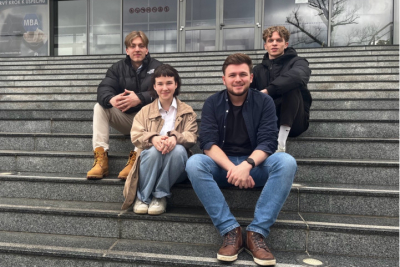
Clara and Eduard spent a full academic year at NHF EUBA as part of a double degree programme with the University of Pavia in Italy. In this interview, they share their unique experiences and insights into academic and cultural differences. They reveal the opportunities that studying in Bratislava offered them and how they enjoyed their time in Bratislava. We have been working with the University of Pavia on double diploma programmes for a number of years and we are delighted that our group of international students has been enriched by students from Italy. Read more in the interview.
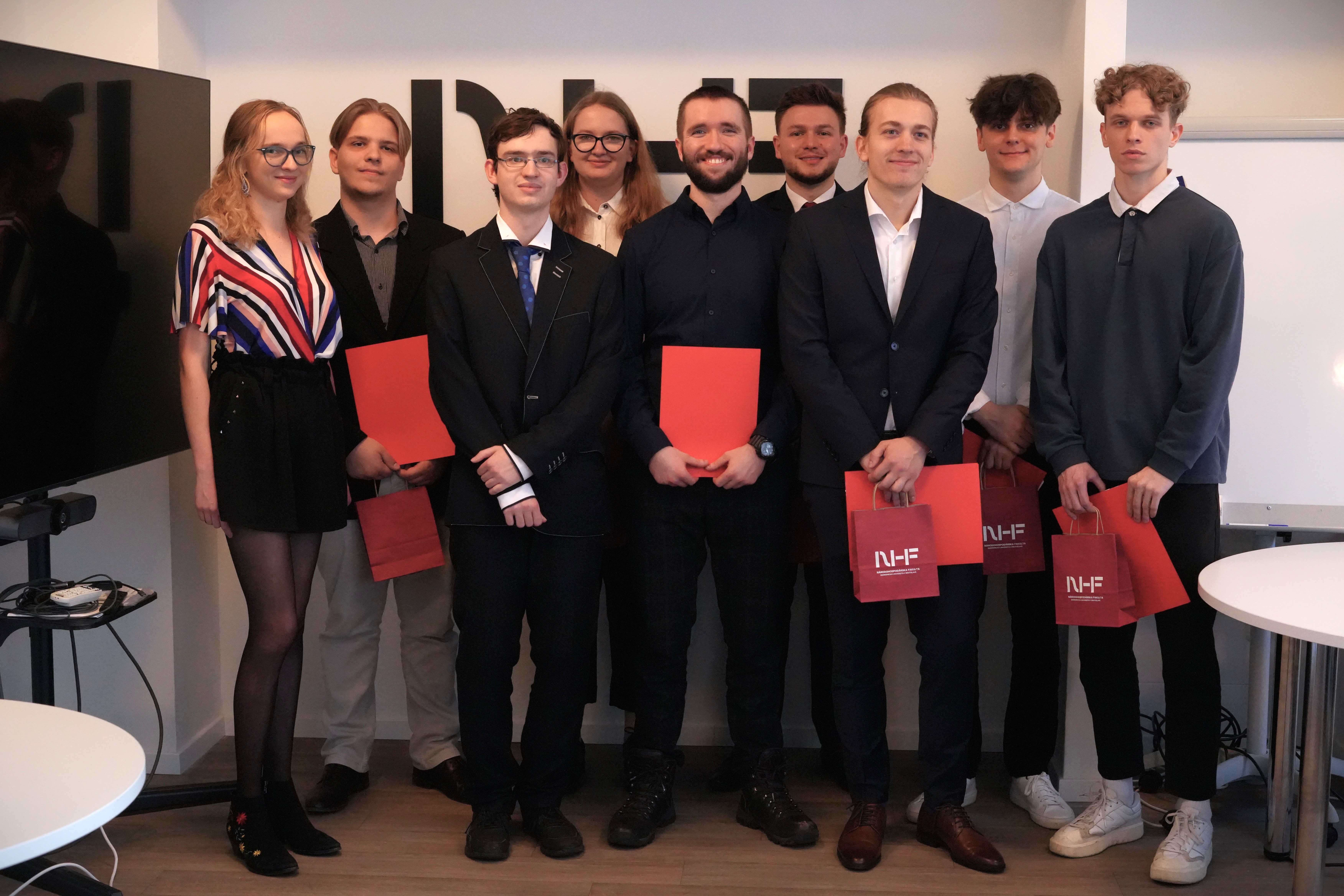
Interview with the winners and runners-up of the student undergraduate professional activity.
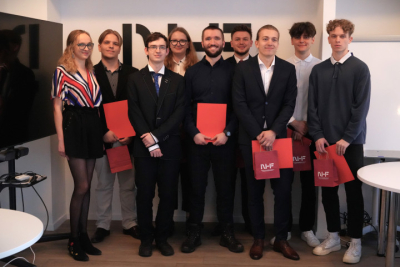
The project of lifelong learning for the professional public, compiled in cooperation of three European universities Bucharest University of Economics, University of Economics Varna and the Faculty of National Economy of the University of Economics in Bratislava, which resulted in a certificate, this time attracted 15 candidates from the business sector from Romania.
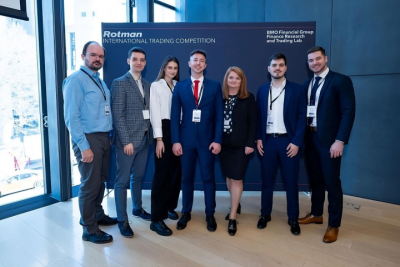
For the eighth year in a row, students of the Financial Markets and Investing (II. degree) programme at Faculty of Economics and Finance had the opportunity to measure their acquired knowledge and skills on a global scale at the Rotman International Trading Competition (RITC) 2024.
An interview with a student of the Economics and Law programme about the lectures at university.
Strategic partner

Main Partners


Partners






Projects handled at the Faculty of Economics and Finance
